

Assassin's Creed Shadows — Mac download
Ticked
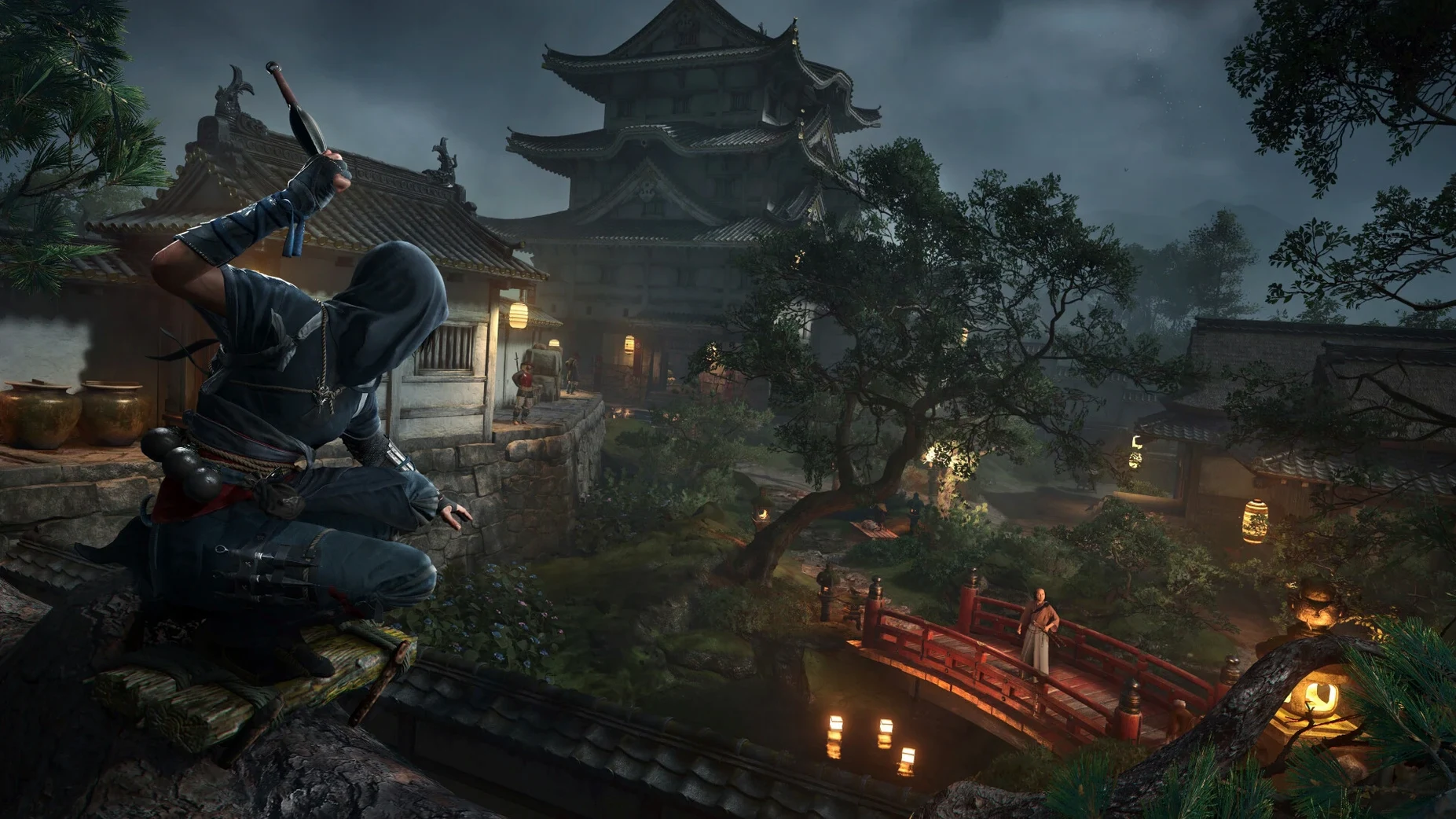
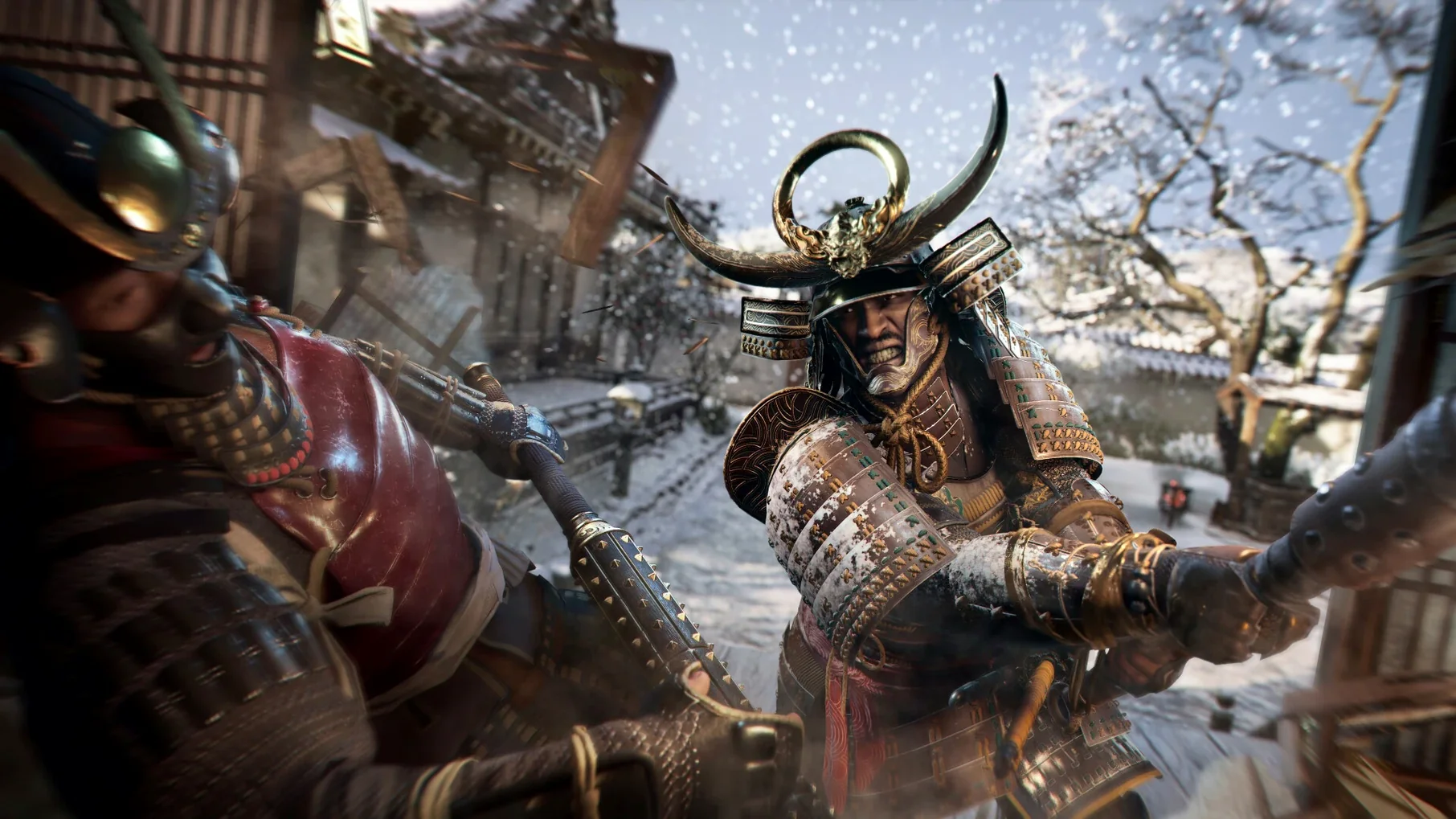
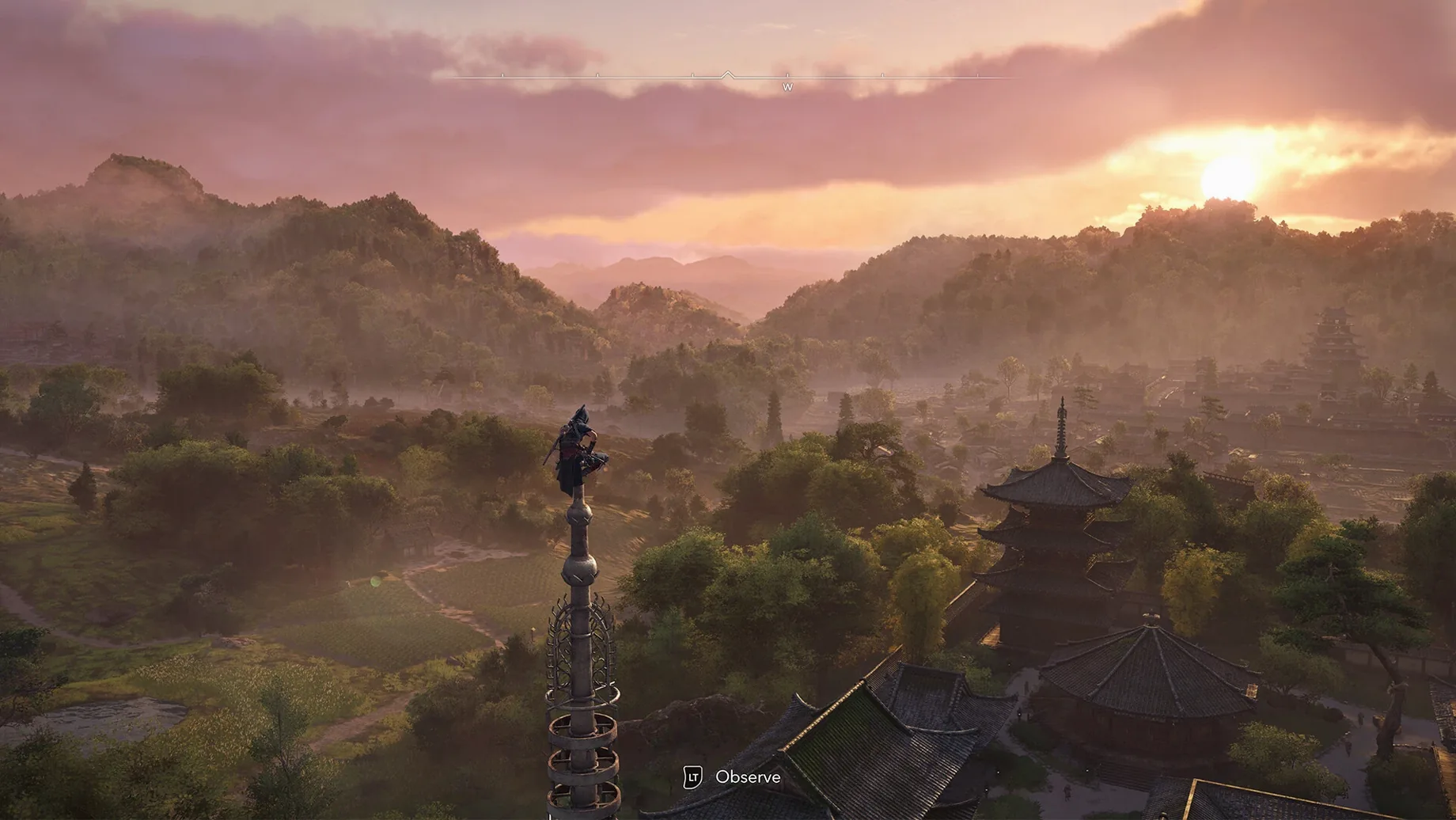
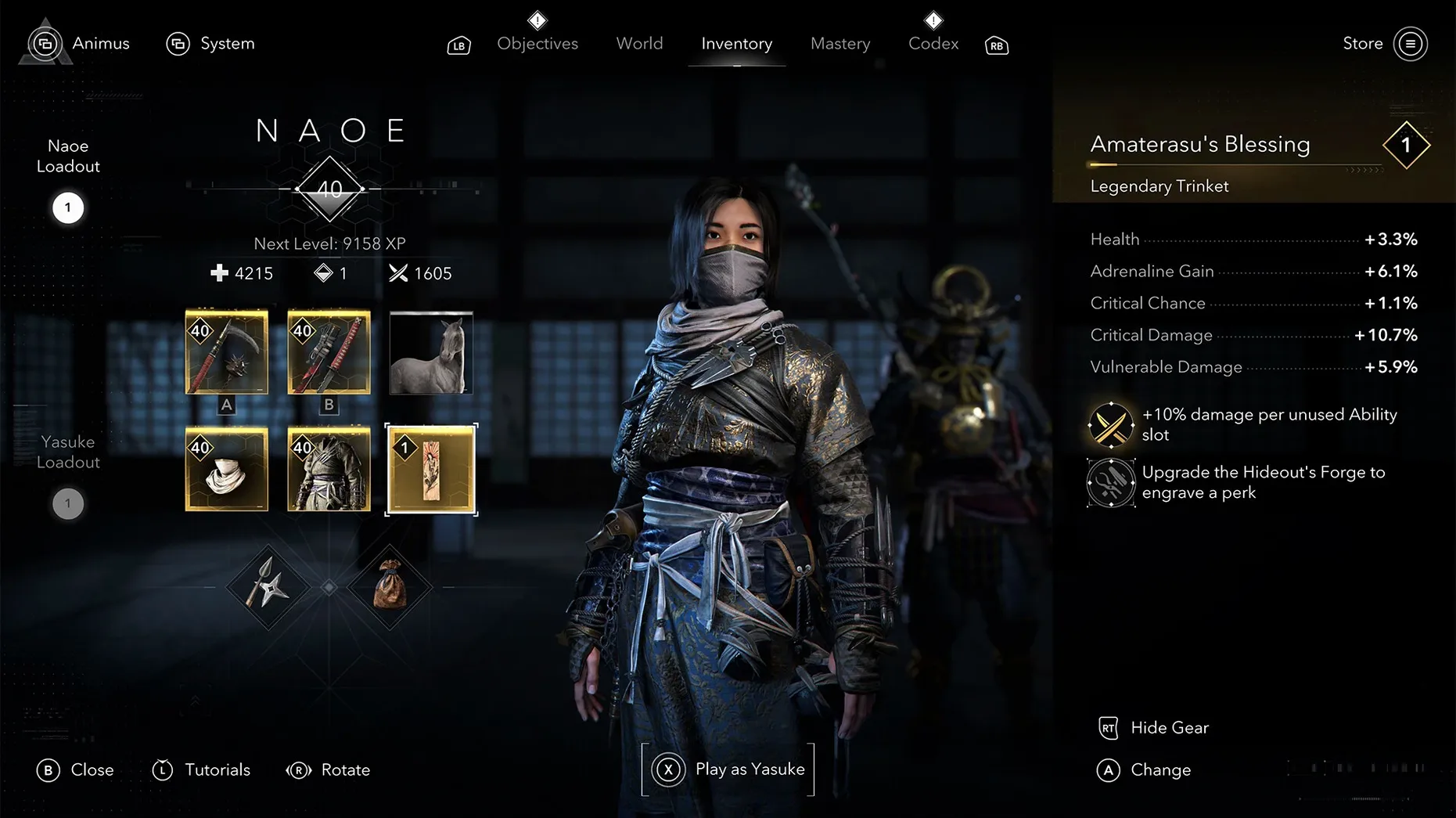
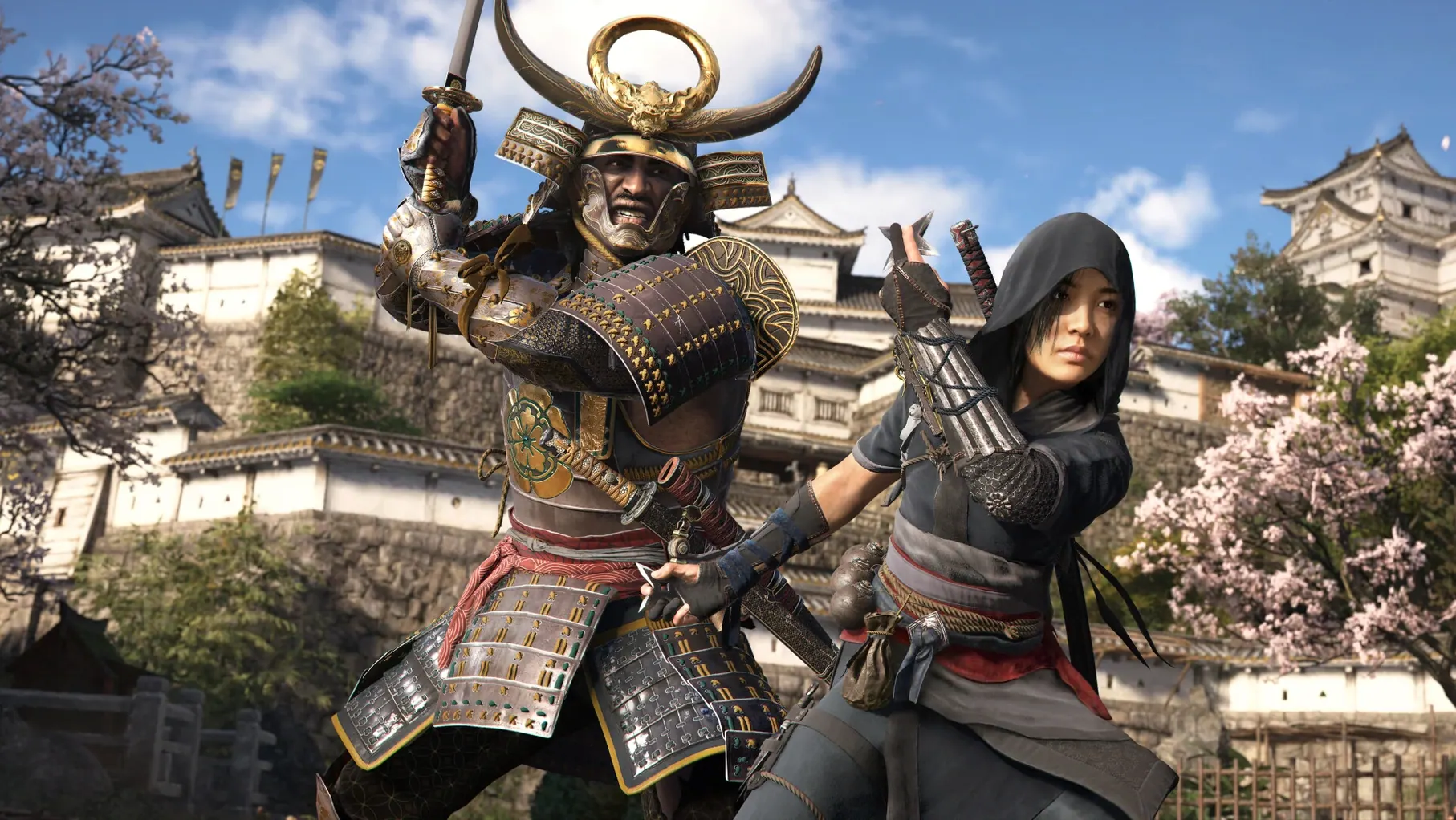
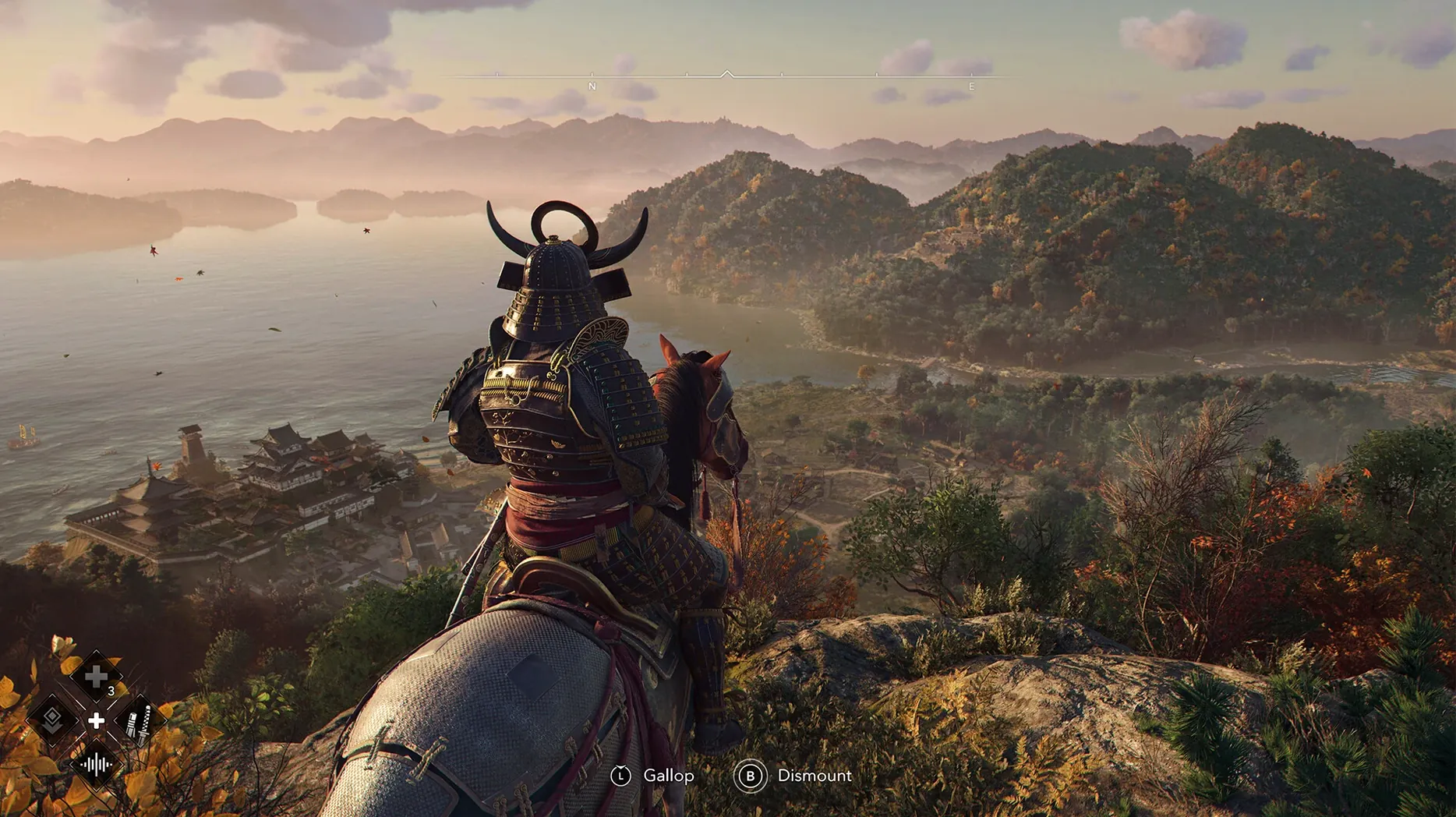
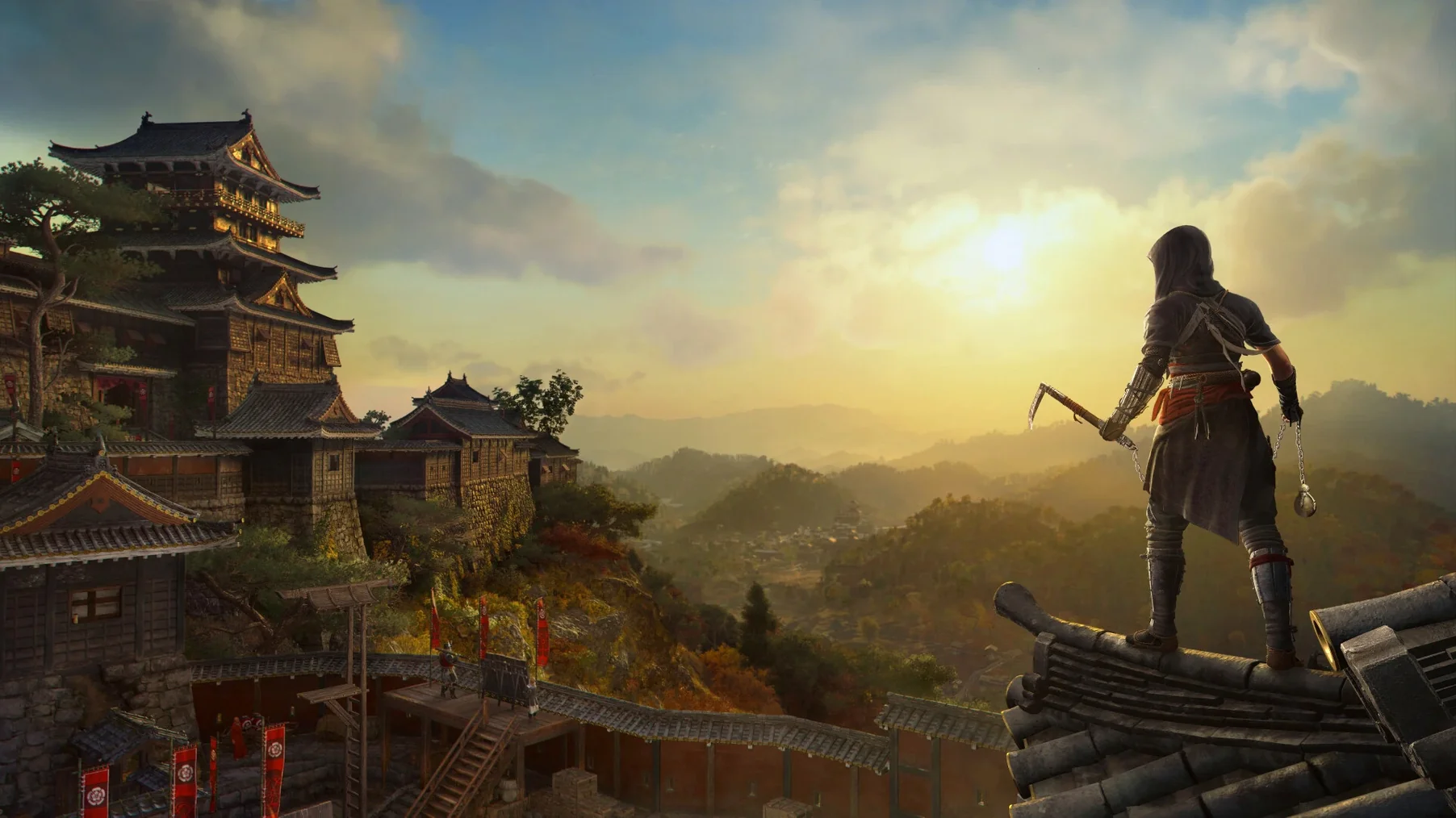
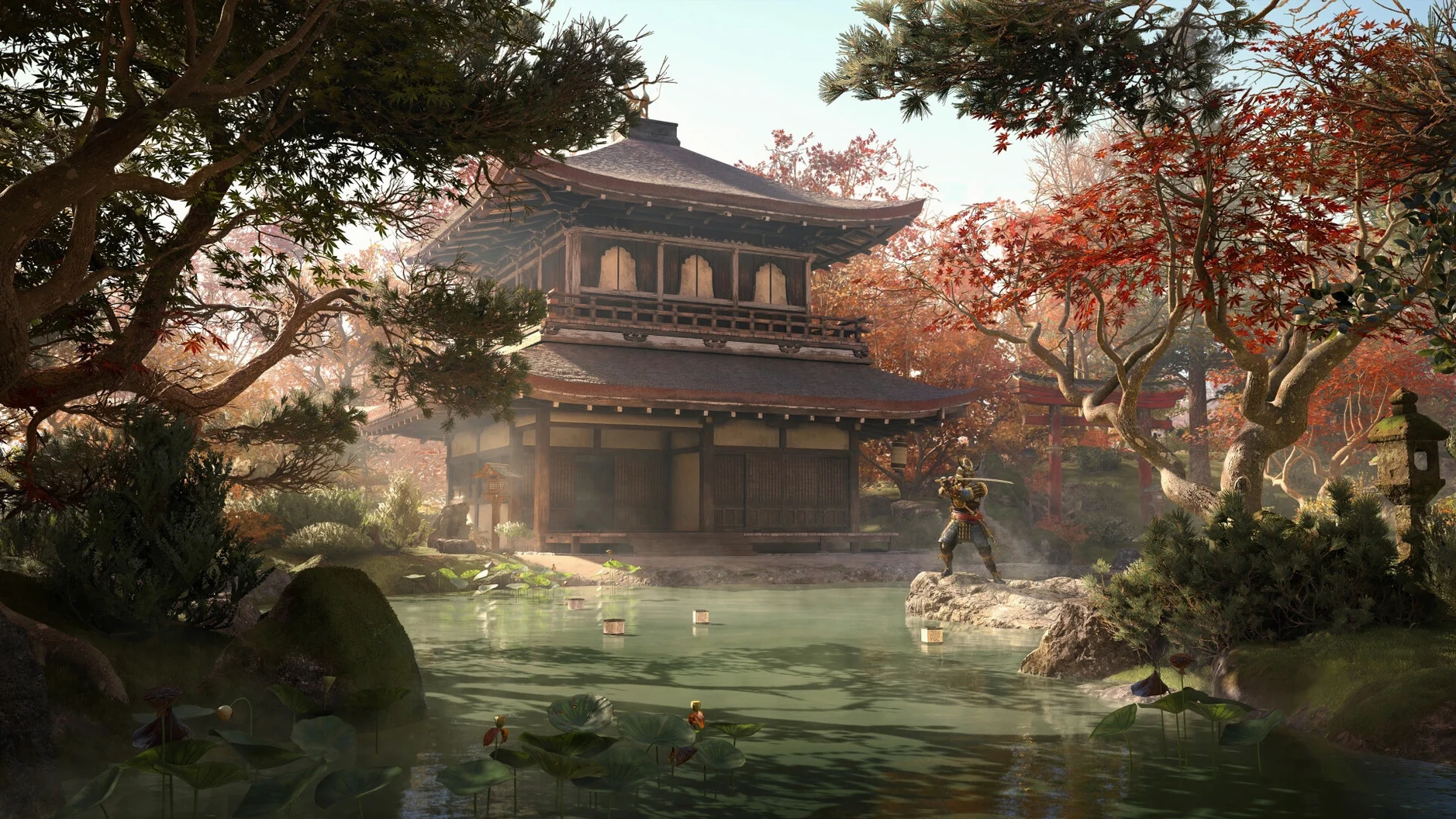
If you know the methodical pace of planning a project in a Gantt chart, Shadows gives you a scout network that works the same way.
Open world — feudal Japan, with dynamic weather that shifts visibility and movement.
Scout network — dispatch agents to survey areas and mark your next target before you move in.
Recruitable allies — each ally brings a distinct skill; the right one changes how you approach a stronghold.
Hideout — customise layout, furnishings, and decorations; key characters appear here and you can interact with them.
Crafting — new gear is built in the hideout, not bought.
Base-building and methodical recon fans
- Players who treat recon and setup as half the mission.
- Anyone who wants a base to shape and return to between runs.
Quick-session players and Intel Mac owners
- Players who want a quick session — the 130 GB install and account sign-in add friction before you start.
- Intel Mac owners — Apple Silicon is mandatory.
Clear 160 GB to survive the install
A 130 GB install on a Mac with limited free space catches people out. The disk image alone needs room to expand, then the app copies to Applications. Clear at least 160 GB before you start — not just 130 — or the copy fails halfway with a vague error.
The Ubisoft account step trips up players who skip the read-me. Launch the app, stare at a login screen, no way around it. Register or sign in before you plan your first session; the account check runs online and stalls without a connection.
Performance on base M1 and M2 machines
The minimum spec targets 720p at 30 fps on the low preset. Players on a MacBook Air without active cooling see frame drops when weather shifts stack — rain plus fog plus a busy port town. Lock the resolution to 720p and set shadows to low if the fanless chassis throttles. M3 and M4 Macs handle ray tracing, but enabling it on an M3 with 16 GB RAM introduces stutter in castle sieges — disable it for those sequences.
Controller and input quirks
Bluetooth controllers sometimes disconnect after a season transition cutscene. A wired connection or a quick Bluetooth toggle in Control Centre fixes it. Trackpad players report the default sensitivity makes Naoe overshoot ledge grabs — drop the camera sensitivity two notches in settings.
Scout first, swap protagonists often
- Ignoring the scout network. New players charge into strongholds blind, trigger alarms, and blame the combat. Send scouts to tag patrol routes and entry points first — the game rewards the extra three minutes.
- Sticking to one protagonist. Naoe handles vertical infiltration; Yasuke breaks doors and absorbs hits. A fortress with high walls and tight interiors punishes the wrong pick. Swap at a viewpoint before committing.
- Neglecting the hideout early. The crafting bench, ally training, and fast-travel bonuses unlock through hideout upgrades. Players who postpone building until mid-game find themselves under-geared for the later provinces.
- Hoarding resources. Crafting materials cap quickly. Spend them on gear upgrades rather than saving for a later that never arrives — the next region drops better base equipment anyway.
No section text provided
Assassin's Creed Shadows vs. Resident Evil 4 (Mac)
Resident Evil 4 runs leaner — around 40 GB install, lower RAM ceiling — and targets a tighter, linear horror loop. Shadows trades that economy for scale: an open map with systemic weather and two character toolkits. Pick Shadows if you want planning and exploration; pick RE4 if you want a directed, pressure-heavy campaign.
Assassin's Creed Shadows vs. Lies of P (Mac)
Lies of P is a soulslike built on precision parries and boss rushes; its Mac port runs well on M1 with a smaller footprint. Shadows offers stealth, a hideout meta-game, and a scout layer — none of which exist in Lies of P. Choose Shadows for systems-driven infiltration; choose Lies of P for tight combat mechanics and a darker, linear story.
Assassin's Creed Shadows vs. Death Stranding Director's Cut (Mac)
Both demand an Apple Silicon Mac and a chunk of storage. Death Stranding builds its loop around traversal and delivery logistics; Shadows builds around reconnaissance and dual-character tactics. The hideout system in Shadows adds a persistent home base absent from Death Stranding. Go with Shadows if you want a base to shape; go with Death Stranding if terrain-as-puzzle appeals more than fortress infiltration.
- macOS 15 Sequoia or later
- Apple Silicon (ARM architecture)
- 16 GB RAM
- 130 GB available storage
- Ubisoft account required to launch
Questions the team asks
No. The build uses ARM architecture and requires Apple Silicon and macOS Sequoia 15.0 or later.
You need 16 GB of RAM, 130 GB of available storage, and an Ubisoft account to launch the game.









Comments 0
Sign in or create an account to add a comment.
No comments yet. They go up after moderation.