
Dead Cells — Mac download
Download (1.9 GB) Earlier builds
Ticked
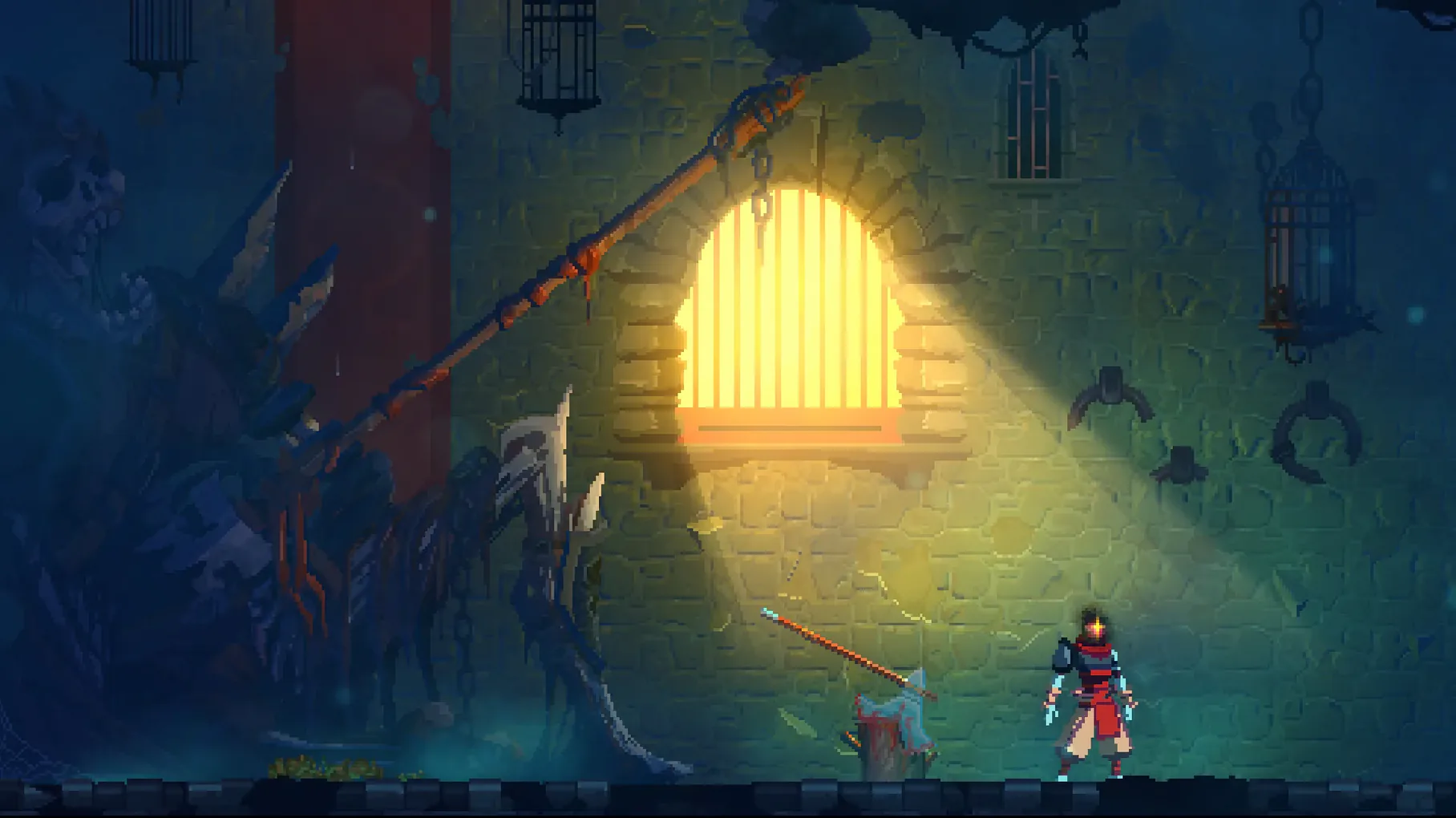
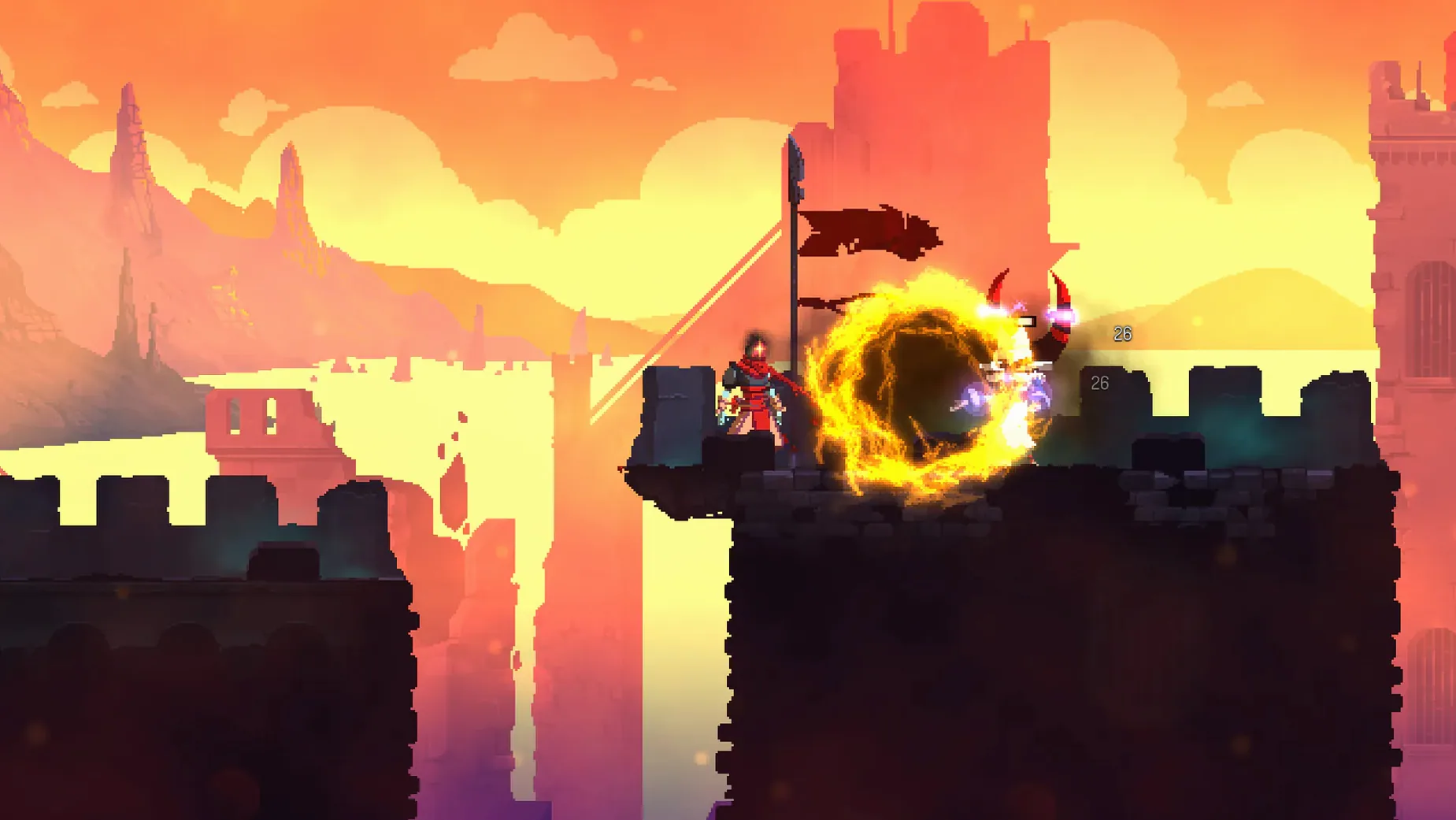
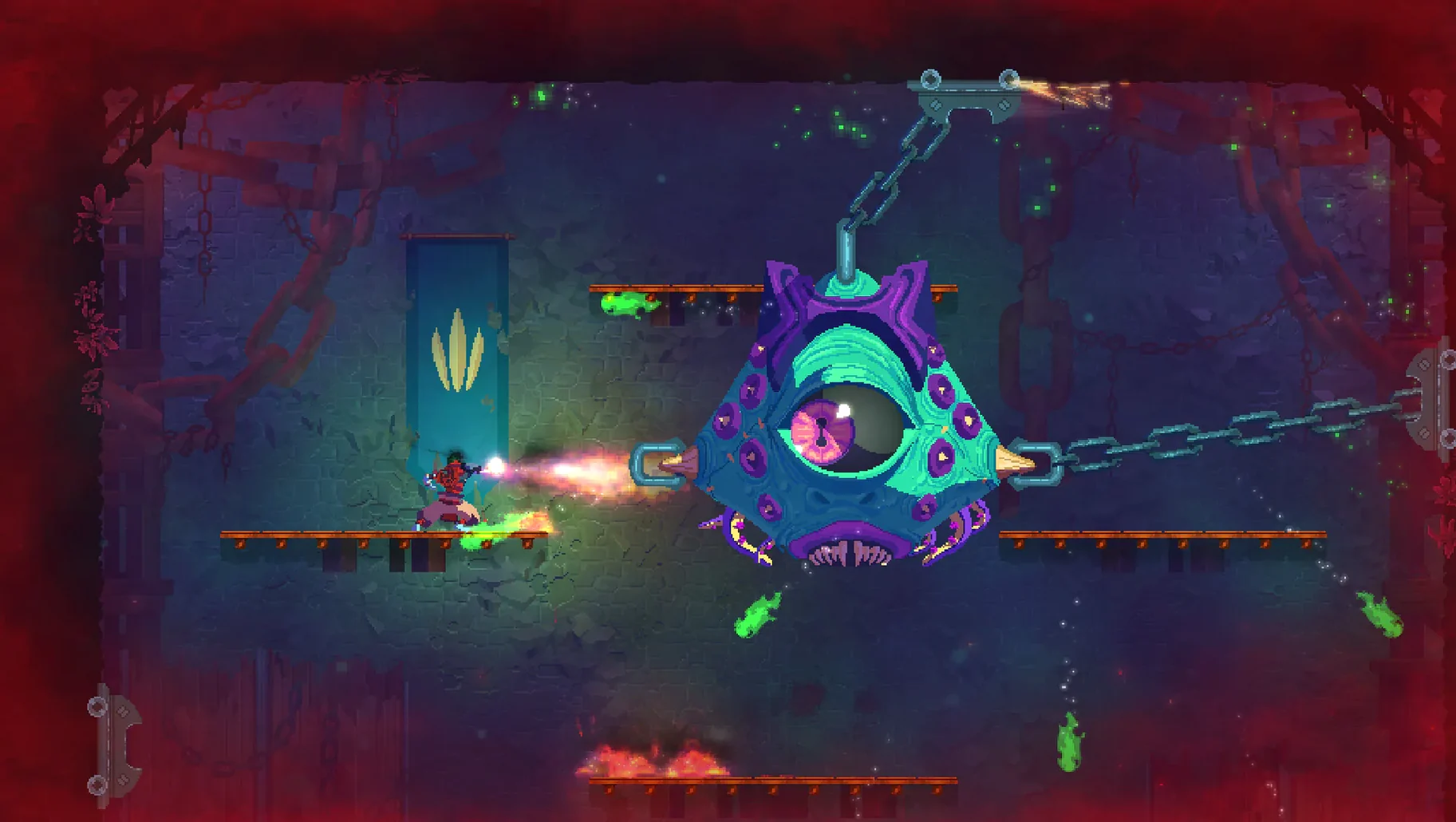
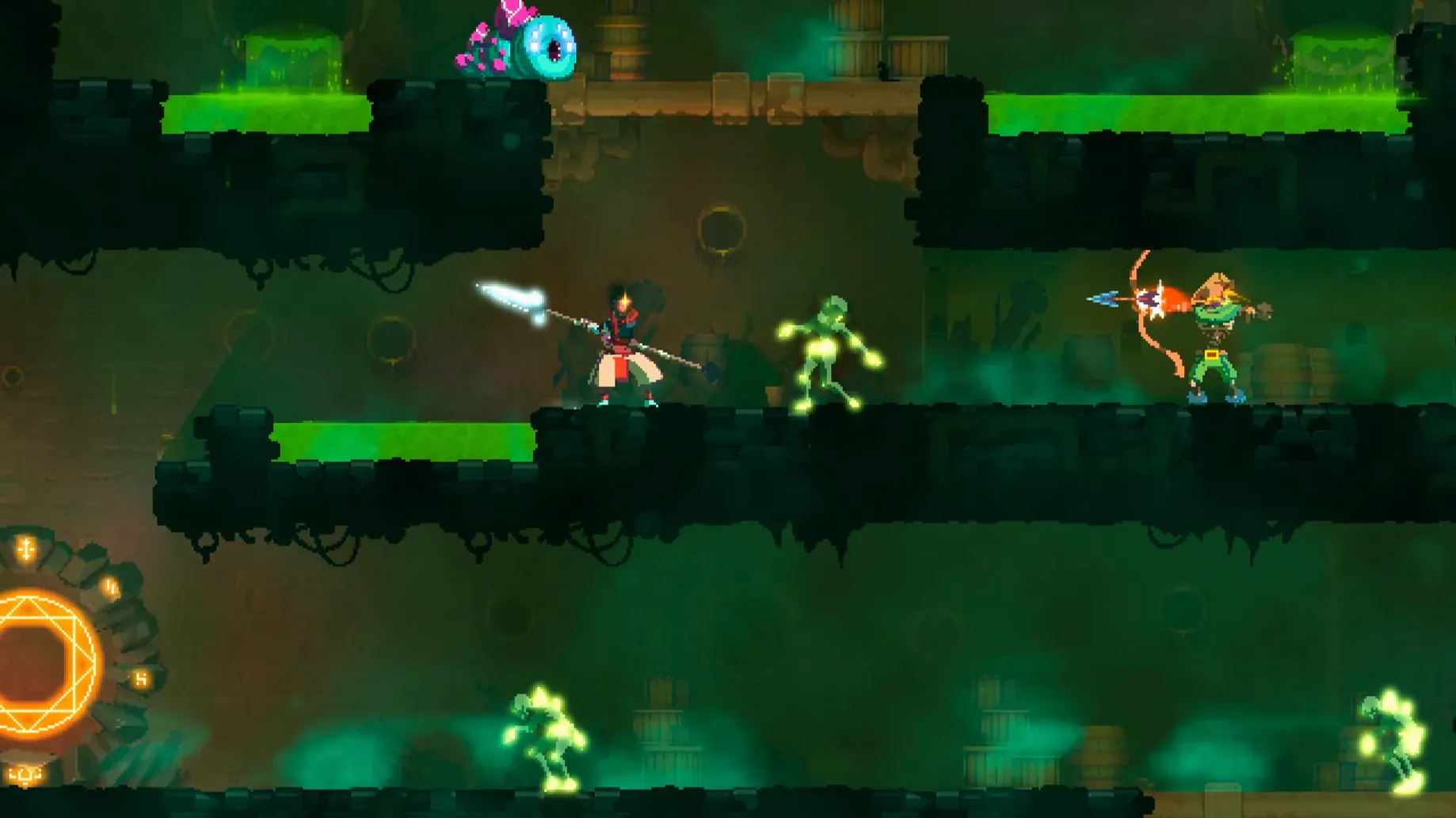
One death sets you back to the start. No save system, no checkpoints to reload. Dead Cells is a rogue-lite action-platformer built on repeated runs, where progress means learning enemy patterns and unlocking gear across attempts.
Souls-style combat reshuffled every run
The core is a 2D combat system that pulls from Souls-likes: dodge, parry, and timed attacks against tough enemies. Levels are procedurally assembled, so layouts shift each run. Permanent upgrades unlock as you go, adding new weapons and abilities to the pool for future attempts. The build runs on Intel Macs via x86 64-bit architecture.
Presentation and language support
Motion Twin, a French workers cooperative based in Bordeaux, designed it as a Castlevania-inspired action-platformer. The interface supports 11 languages: English, French, German, Spanish, Italian, Portuguese, Russian, Turkish, Japanese, Korean, and Simplified Chinese. This build was tested on macOS Sonoma with a MacBook Air M1 (2020).
Skippable door animations and other hidden tricks
Some of the most useful details are never explained in the tutorial:
- Hold down the interact button near a door instead of tapping it. This skips the brief opening animation entirely, shaving a second off every transition.
- Double-tap the crouch button on a downward slope to slide. You keep your momentum and can chain directly into a ground-pound on enemies below.
- The map reveals itself as you explore, but tapping the map button a second time brings up a full-zone legend. Useful for checking missed routes without backtracking blindly.
- Weapon affixes that seem weak on paper often stack in unexpected ways. A shield with burns enemies on parry paired with an oil-spreading grenade turns corridor fights into short work.
- Breaking the gold doors in the Collector's room is possible with a single hit once you have enough cells banked. No need to pay if you prefer the gamble.
A roguelite reset vs. Hollow Knight’s fixed world
Dead Cells stands apart from games often mentioned in the same breath.
Hollow Knight shares the interconnected map and tight melee rhythm, but it is a fixed world. You save, you retry from a bench. Dead Cells resets your geography every run. Where Hollow Knight rewards patience and exploration over hours, Dead Cells rewards reflex adaptation across a 40-minute attempt. Both feel precise on a keyboard, but Dead Cells demands faster decision-making under pressure.
Hades brings narrative and character dialogue between runs. Dead Cells has almost no story scaffolding. The trade-off is focus: Hades pauses for conversation, Dead Cells pushes you straight into the next biome. If you prefer run-to-run momentum over character arcs, Dead Cells fits better.
Rogue Legacy 2 offers persistent stat upgrades that make later runs mathematically easier. Dead Cells locks progression behind blueprints and skill, not level grinding. A fresh file in Dead Cells is beatable on the first run if your execution is good enough — no stat gates, no mandatory farming.
Each approach has its place. If you want a roguelike that respects raw input skill over time investment, Dead Cells is the sharper pick.
Locked 60 fps on M1 Air even in elite fights
On a MacBook Air M1 running under Rosetta 2, the x86 build loads biomes in under three seconds. Frame pacing stays locked at 60 fps even during elite fights with multiple particle effects on screen. Memory usage sits around 700 MB, which is modest enough to leave a browser and music app running alongside without swap pressure.
Stability is solid. Crashes are rare across dozens of runs. The DRM-free build avoids background processes entirely, so there is no launcher or online check-in adding overhead. Controller support works immediately with DualSense and Xbox pads via Bluetooth — no remapping needed unless you want to tweak it.
For a game that expects you to die hundreds of times, the restart speed matters. A death-to-new-run cycle takes roughly five seconds. That short loop keeps frustration low and encourages immediate retries, which is exactly what the design needs.
- macOS (Intel, x86 64-bit)
Questions the team asks
No. Progress relies on repeated runs with permanent unlocks carrying over, but there is no traditional save or checkpoint system.
The interface is available in Russian, English, German, Spanish, Italian, Simplified Chinese, Korean, Portuguese, Turkish, French, and Japanese.








Comments 0
Sign in or create an account to add a comment.
No comments yet. They go up after moderation.