
Arturia DX7 V — Mac download
Download (475 MB) Earlier builds
Ticked
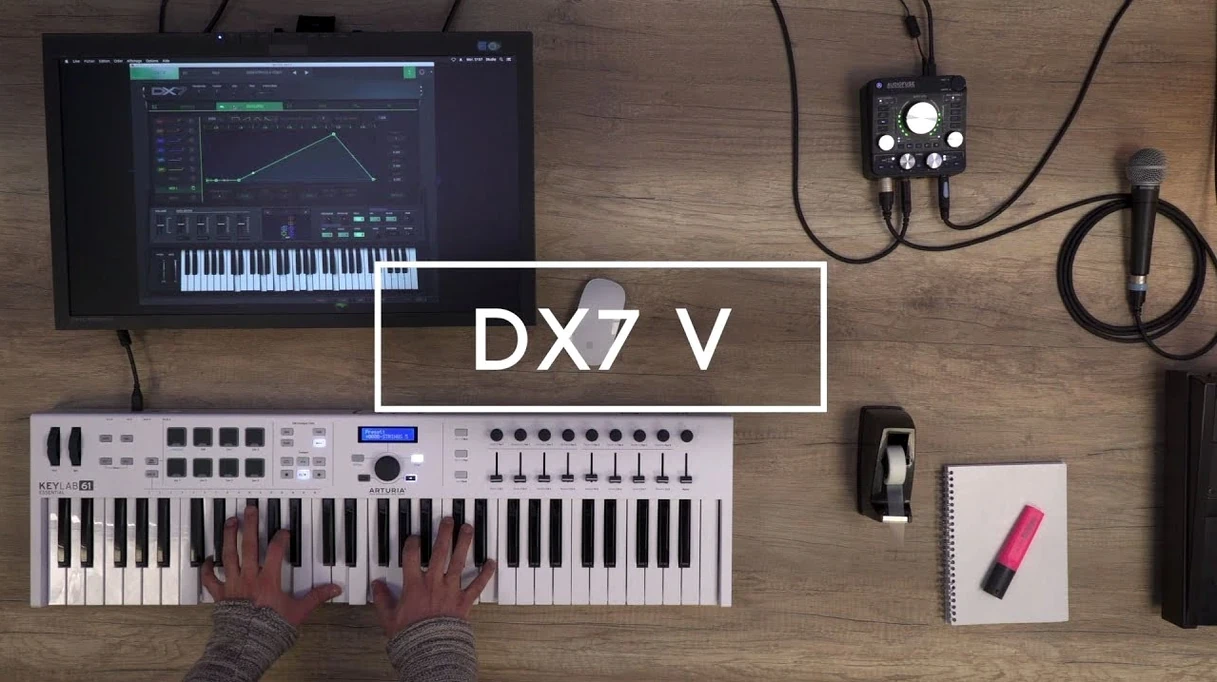
Operator Waveform selection is where the sound starts. The original DX7 gave you a sine wave per operator. Arturia’s version adds 24 more — saw, square, noise, and complex digital shapes. Switch a carrier’s wave and the whole algorithm changes character before you touch a single envelope.
Move to the multi-segment envelopes, a clear upgrade from the DX7’s classic rate/level pairs. Each of the six operators gets a DADSR or a fully custom breakpoint envelope. Draw a sharp attack into a long hold, then a fast decay to silence. Percussive plucks and evolving pads become possible without piling on external modulation.
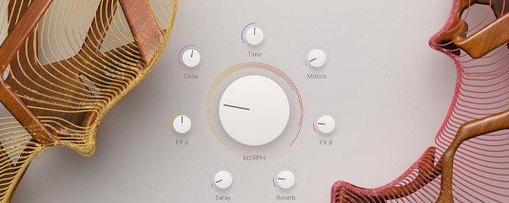
Four FX slots sit at the end of the chain, routable in series or parallel. A bit of chorus widens a brittle FM bell patch; parallel reverb and delay keep the transients clean while the tail blooms. These are mixing decisions baked into the sound design stage.
Under the hood, the step sequencer, dual LFOs, and arpeggiator push modulation far beyond the hardware. Route an LFO to an operator’s level, sync it to tempo, and a static pad turns into a rhythmic texture that cuts through a dense mix without extra gain.
Drop in a .syx file to load decades of DX7 presets
Can it load real DX7 patches? Yes — SysEx import is built in. Drop a .syx file onto the interface and the patch loads with its algorithm and envelope data intact. That covers decades of presets, from the factory ROM cartridges to obscure library sets. The 432 included presets cover plenty of ground before you hunt down old banks.
Do you need a DAW? No. The standalone app runs without one. Pick a MIDI controller, set the audio buffer, and it plays like hardware. Plugin users get VST, AU and AAX formats — all 64-bit, all native on Apple Silicon.
Does 32 voices feel limiting? Not in practice, unless you layer dense chords with long releases. For FM basses, leads and arpeggios, 32 is plenty. The voice-stealing behaviour is clean — old notes fade rather than cut off abruptly.
Switch to Algorithm 5 for stacked-operator bite
Open the standalone app. The default patch loads — a glassy electric piano that bites when you dig in. Bypass the effects to hear the raw FM tone. Swap Algorithm 1 for Algorithm 5, where operators stack in pairs. The timbre thins out, then thickens as you raise the modulation index on operator 2.
Head to the envelopes. Operator 1 gets a sharp attack and quick decay. Operator 2 gets a slower attack with a high sustain level. Together they create an initial pluck that settles into a sustained pad — two layers from one algorithm, no external processing needed.
Add movement. Assign LFO 1 to operator pitch, set the rate to dotted eighth notes, and keep the depth subtle. The pitch barely wobbles, but the stereo image widens. Route a second LFO to the filter cutoff and the sound breathes in time with the track.
Finish with the FX chain. Parallel routing: a bright plate reverb on one path, a tape delay on the other. Dry signal stays punchy while the space blooms behind it. Save the preset, drag the plugin into the DAW, and the patch recalls exactly.
25 waveforms per operator reward patch-from-scratch designers
Sound designers who build patches from scratch. The extra waveforms, custom envelopes and per-operator filters reward experimentation. A single algorithm with 25 waveform choices per operator yields thousands of starting points before modulation enters the picture.
Producers mixing retro and modern textures. The DX7’s glassy bells and brassy stabs sit in a mix differently than analogue-modeled synths. They poke through without eating headroom. Stack a classic bass patch under a modern kick drum and the low end stays tight.
Keyboard players who want patch recall without hardware. A DX7 on stage means weight, maintenance and patch loading from cartridges. The plugin recalls instantly and responds to velocity and aftertouch the same way — channel pressure brings vibrato, release velocity controls amp decay.
- macOS 11.0 or later
- Intel and Apple Silicon support
- 64-bit DAW for plug-in use
Questions the team asks
It reproduces the original DX7 parameters and includes all 32 algorithms, but adds waveforms, envelopes, modulation and effects beyond the hardware.
Yes, it works as a standalone instrument as well as in VST, AU and AAX plug-in formats for 64-bit DAWs.
Each operator offers 25 waveforms, extending well beyond the single sine wave of the original DX7.



Comments 0
Sign in or create an account to add a comment.
No comments yet. They go up after moderation.